


In Singapore, halal food is seen as more than just a food requirement. Halal is a form of expression of all societies and a delicious showcase of Muslim, Malay, Indian, and Arab cultures that make up Singapore. With a fairly sizeable Muslim population and a younger generation who feel culturally linked to Malay, Indian, and Arab practices of halal, halal food comes to represent a part of Singaporean food culture. Therefore, for both local and foreign visitors, sampling halal dishes here is a journey through time, knowledge, and delightful food.
Understanding Halal – What Does It Mean?
Halal (an Arabic term that means “permissible”) isn’t limited to what’s on your plate — it’s a way of life based on Islamic teachings. Food-wise, Halal simply refers to anything that’s not contradictory to Islamic scriptures regarding diet. This does not eat pork and alcohol, and requires that animals be slaughtered in a specific, humane manner. In a cosmopolitan hub like Singapore, where some 15 percent of the population is Muslim, Halal is not that much of a choice, an essential part of one’s daily routine, and an endlessly growing market.
But for any diners in Singapore, whose food tapestry is so beautifully diverse, knowing what food is Halal, and what isn’t, can provide not just following-the-rules comfort, but also security, and peace of mind. For a food to be awarded a Halal certificate, it must mean that the food beneath has in no way been in contact with a prohibited substance and that every part of it to be classified has passed Halal by the strictest religious standard. There are, however, more and more people making conscious food choices – ethical and sustainable – and wanting to know who is behind their food and what is in the food on their table, and that is why Halal has become attractive also to non-Muslims.
Today, Halal food in Singapore is a tradition that meets the contemporary taste of Halal. Halal food will be available in every nook and cranny, more upscale restaurants, and a few fast-food joints that will be inundated with demand for delicious bites like spicy noodles, grilled meat, and tangy curries. And it’s no longer just a religious observance, but a celebration of great food, done right.
Certification and Halal Authorities in Singapore
Singapore protects the integrity of halal by adopting certified and monitoring programs led by MUIS. The government-linked religious authority provides the gold standard for halal compliance and guarantees that the food served under its certification meets all Islamic obligations. This clarity and confidence in halal symbols and guidelines mean that diners in Singapore are confident when engaging with the halal food scene.
Must-Try Halal Dishes in Singapore
Singapore’s halal food culture embodies its multicultural foundations. With traditional Malay dishes, as well as halal variants of familiar Chinese and Indian dishes, there is something for everyone to drool over. Nasi lemak with its fragrant rice or halal Hainanese chicken rice with chilli dipping sauce – whatever you try, you will need to taste the quintessential local dishes for which Singapore is so famous!
Nasi Lemak – The Iconic Malay Breakfast
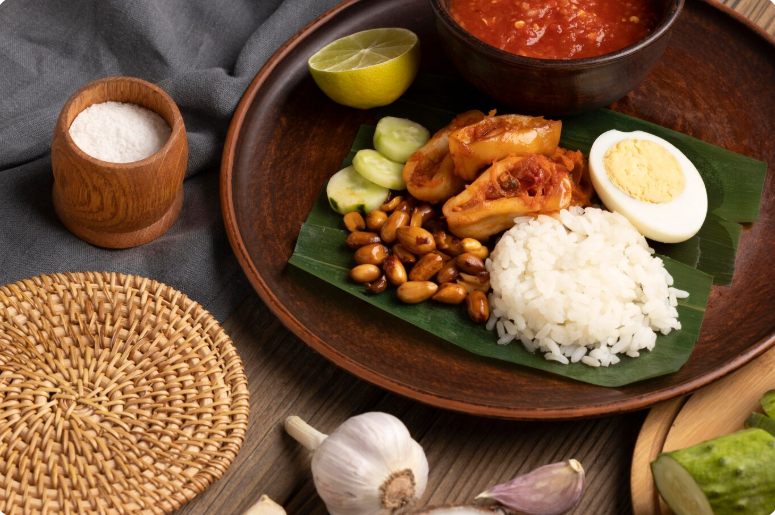
When it comes to a dish that’s iconic to breakfast in Singapore, you cannot skip nasi lemak. This aromatic rice dish—cooked in coconut milk and pandan leaves—is not only a rice meal, but also the epitome of comfort food in Malay culture, particularly the Halal version that’s outstanding all over the city—with plenty of sides including crispy fried chicken, hard-boiled or fried egg, fried salted anchovies, crunchy peanuts, cucumber wedges, and of course, that fiery sweet sambal (chili paste).
You can find nasi lemak in a plethora of ways in Singapore—from hawker stalls, to restaurants, from Halal-certified Adam Road Nasi Lemak, whose fame allows it to draw queues every morning, to a bowl beside the wholly unimpressive Hotel Fort Canning. If chicken is involved in your order, know that the fried chicken is juicy and marinated expertly, while also being perfectly crunchy on the outside and tender inside. Alluringly, you may forget KFC altogether.
Depending on where you visit in the city, you may encounter various forms of fried fish, rendang, or even a portion of otah-otah (spicy fish cake wrapped in banana leaves) served alongside your order. No matter when you choose to have some—whether you discover it at dawn or midnight snack—nasi lemak will never disappoint, and you’ll understand why it’s so essential in Singaporean culture, much like soul food is to cultures worldwide.
Hainanese Chicken Rice – A Halal Take on a Chinese Classic
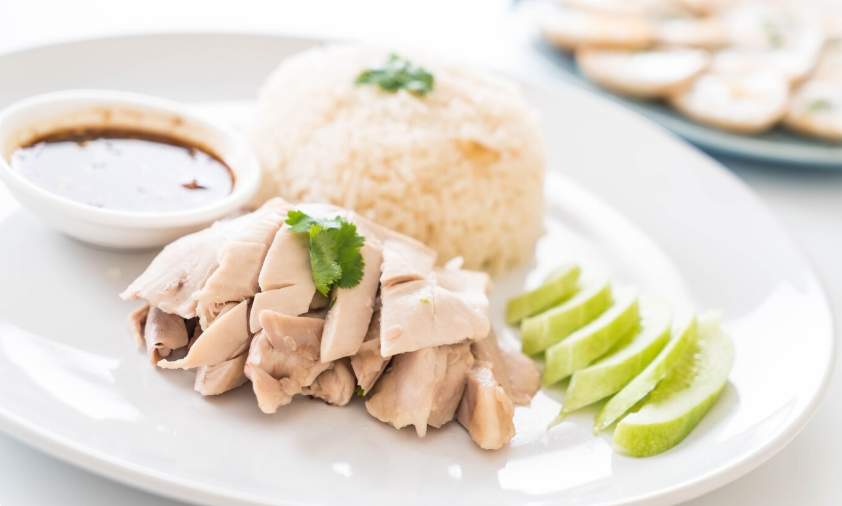
Often referred to as Singapore’s national dish, Hainanese Chicken Rice is a basic but tasty meal comprised of poached chicken, aromatic rice cooked in chicken stock (flavorful also), and three condiments: dark soy sauce, minced ginger, and spicy chili sauce. While traditionally Chinese in its origins, the Halal version is now widely available due to demand and innovation in Halal culinary circles.
Halal-certified stalls have perfected this dish using the traditional preparation, with the sole modification being the ethnically acceptable alternative in chicken portions, so as not to involve cross-contamination, as considered unacceptable by Halal guidelines. It is amazing how the simplest of foods come together to make a flavorful taste sensation. The rice can be rich and flavorful, the chicken soft and moist, and its sauces will have you excited. It takes the dish to the next level, from ‘good’ to ‘unforgettable’.
Some famous Halal Chicken Rice stalls are Tong Fong Fatt Hainanese Boneless Chicken Rice and Lucky Chicken Rice. You will usually have the choice of steamed and roasted chicken, and if you are ever unsure of where your next plate of chicken rice is coming from, just follow the locals, they seem to always know!
Satay – Smoky, Savory Skewers for Every Tastebud
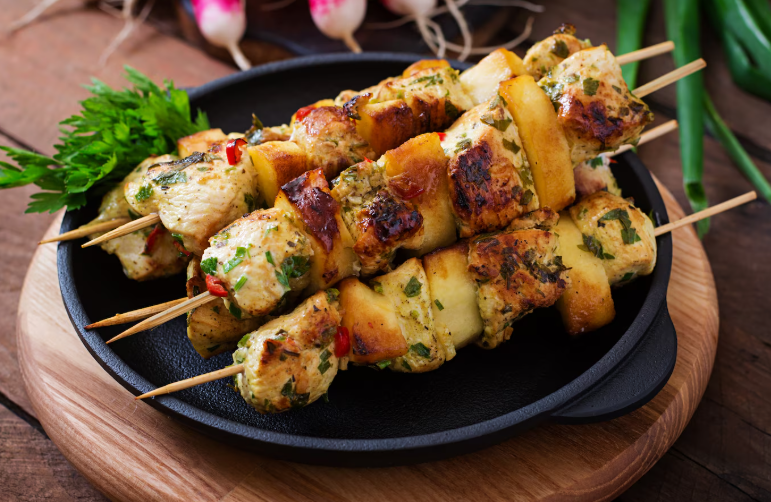
Imagine big, delicious pieces of beef, chicken, or lamb, marinated with turmeric, lemongrass, and galangal, grilled smoky, and served with spicy peanut sauce – that’s satay, a festive yet simple eating experience. In Singapore, Halal satay is extremely popular, and you will find it grilling on charcoal ovens at hawker centres or night markets.
Satay is no simple food. You smell it before you see it, and once you take in the aroma, your stomach begins to growl. The usual accompanying sides are ketupat (rice cakes), onions, and cucumber to balance out the potency of each piece of meat. You dip each piece into the gorgeous peanut sauce, and it is heavenly.
You can find great Halal satay at Geylang Serai Market or East Coast Lagoon Food Village. Here’s a tip: do NOT skip the lamb satay – yes, I said lamb. It is juicy, slightly gamey, and the sauce goes unbelievably well with it!
Laksa – A Spicy, Creamy Peranakan Delight
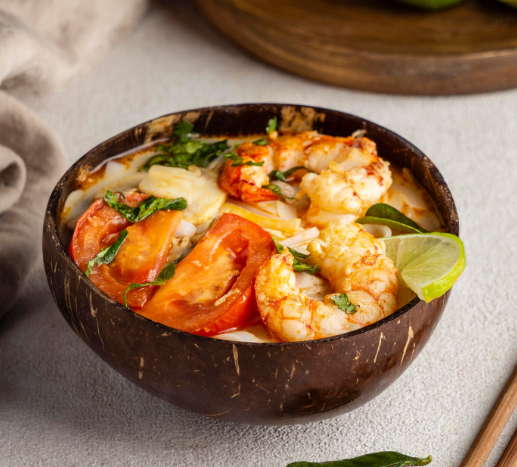
Laksa is a fiery, coconut-based noodle soup that originated from the Peranakan culture—a beautiful blend of Chinese and Malay traditions. It’s the ultimate comfort dish for rainy days, lazy afternoons, or anytime you’re craving something spicy and slurp-worthy.
Halal versions of laksa skip the traditional use of pork or lard but keep all the complexity and depth of flavor. Imagine thick rice noodles swimming in a creamy, spicy broth infused with shrimp paste, lemongrass, and dried shrimp, topped with prawns, egg, bean sprouts, and sometimes tofu puffs. Sounds rich? It is—and it’s worth every calorie.
One of the best places for Halal laksa is 328 Katong Laksa (look for their Halal-certified outlets), where the noodles are cut short so you can eat the entire bowl with just a spoon—no chopsticks needed. That’s right, it’s that comforting.
Best Halal Hawker Centres in Singapore
Halal food is a major part of Singapore’s food culture, and the country’s hawker culture is essential to that. Geylang Serai Market and Tekka Centre are great examples of authentic and affordable halal meals found in hawker centres, which are the true embodiment of Singaporean street food. These hawker centres are not just places to eat; they are active social and cultural environments.
Geylang Serai Market
Geylang Serai Market is located within Singapore’s Malay district—it is not only a food centre; it is a heritage site in the present, a cultural living space. It represents an ethereal world of authentic Malay and Indian Muslim food. Everything is Halal, and every dish has its own story to tell ye unceasingly.
Start with nasi Padang, a mixed rice dish served with a dazzling array of delicious sides from spicy sambal goreng, beef rendang, to ikan bakar (grilled fish), to name a few. From there, move on to mee rebus, soto ayam, or rojak.
But it is not simply the food that brings the magic. Geylang Serai Market also sells apparel, spices, and related ingredients that can make it truly a one-stop shop. During Ramadan, it becomes a diverse, exciting bazaar lit with festive lights that elevate your senses while encountering a flurry of special dishes and treats afterwards. Geylang Serai is more than a home for Halal food; it is the centerpiece where you can feel the heartbeat of Halal Singapore.
Address: 1 Geylang Serai, Singapore 402001
Tekka Centre
Step into Tekka Centre on the busy part of Little India, and you will be captivated by a mix of colours, fragrances, and tastes that India is so well known for. This is Indian-Muslim cuisine at its finest—and yes, it’s Halal. Imagine mutton biryani so tender it falls off the bone, butter chicken that has a creamy base, and roti prata with deep, spicy curry.
For sure, you will want to try one of the highlights- nasi briyani dum style, where the rice is cooked sealed in a pot for hours, until every grain is flavoured and spiced. Not to mention, the queues at Yakader or Allauddin’s will tell you something is going on behind those counters that feels a little magical.
And don’t stop at mains – grab a sweet cup of teh tarik (pulled tea) or traditional Indian dessert like laddu or jalebi. Tekka is not just a food centre, it’s a slice of culture, and every bite transports you back to the sub-continent, while ensuring it’s Halal.
Address: Bukit Timah Rd, Singapore
Lau Pa Sat
If you’d like to eat at a Victorian-style food court serving Halal satay until midnight, head to Lau Pa Sat! This amazing landmark in the heart of the Central Business District is renowned for its satay food street, which comes alive each evening. There’s even more good news. Multiple Halal stalls serve food from all over Asia, including Malay, Indonesian, and even Japanese-Muslim fusion options.
While there are many different stalls, the highlight is Satay Street: several rows of Halal-certified satay vendors who cook your satay while you wait. Grab a cup of iced lime juice with that, or even a bowl of mee goreng, and you have the makings of a memorable meal.
Beyond satay, Lau Pa Sat offers a balance of old and new. Traditional recipes have found a new and contemporary presentation, all served against an iconic architectural backdrop that creates an atmosphere that many other hawker centres simply do not have. Lau Pa Sat is a fundamental stop for local Singaporeans and tourists alike looking for authentic elevated Halal food.
Address: 18 Raffles Quay, Singapore 048582
Top Halal Restaurants in Singapore
Those with a taste for the finer things in life will not be disappointed with Singapore’s halal dining options. With everything from pop-up bistros to five-star hotel buffets, halal-certified restaurants like The Malayan Council and StraitsKitchen also aim to impress with their gourmet interpretations of both local and international cuisine, all while putting the utmost importance on halal.
The Malayan Council
The Malayan Council is a trendsetter when it comes to Halal fine dining with a twist. They’ve taken the Singapore dining scene by storm, transforming traditional Malay recipes into fine dining creations with Western presentations and techniques. Can you imagine digging into rendang duck pasta or a chili crab cake burger? Yep, that’s real food actually on offer here! The end product? Amazing, bold, beautiful dishes that give pleasure to both traditionalists and adventurous eaters.
While the menu at The Malayan Council is extensive, one thing is certain – every dish has full-bodied flavors. From their signature Smoked Duck Lemak Chili Padi Pasta (rich, creamy, and spicy in all the right ways) to the Roti Kirai Beef Ribs (the perfect combination of soft, spicy, savory decadence), their menu consists of creative plates.
The vibes at The Malayan Council are also a huge draw. Have you seen their interior decor? Stylish and comfy make for a great date night, family gathering, or celebration. It’s not just a meal, but an unforgettable dining experience of Halal food dressed up to haute cuisine.
Address: 71 Bussorah St, Singapore 199484
StraitsKitchen
StraitsKitchen inside the Grand Hyatt Singapore redefines what a Halal buffet can look like, and is a five-star dining experience that does not sacrifice authenticity or quality. Every dish is Halal, and the buffet itself brings together Singapore’s colourful culinary heritage, with options that are Chinese, Indian, Malay, and Peranakan.
What makes StraitsKitchen different is that there are live stations, where chefs make your food fresh in front of you. Whether you are craving char kway teow, laksa, or roti prata, you get to see it made live. The satay station is another highlight, with beef and chicken skewers cooked to a smoky perfection.
The dessert area, unlike many buffets, is no afterthought or small offerings. The range of desserts includes local options such as kueh lapis, durian pengat, and even Halal chendol and Halal pulut hitam. It’s lavish, yes–but there is also a local twist to everything. Whether it is a special occasion or you just want to treat yourself to dinner, StraitsKitchen provides a very memorable and indulgent Halal dining experience.
Address: 10 Scotts Rd, Grand Hyatt, Singapore 228211
Halal Street Food You Shouldn’t Miss
Singapore’s night markets and food bazaars are a goldmine for halal street eats. Foodies would swear by Ramly burgers, as well as roti john and yummy goreng pisang, deep-fried bananas. These tasty street grub spots around the island merge luxury with affordability and have become beloved by locals and tourists alike, sometimes leading to long lines. A line is a friendly indicator to judge deliciousness.
Ramly Burger
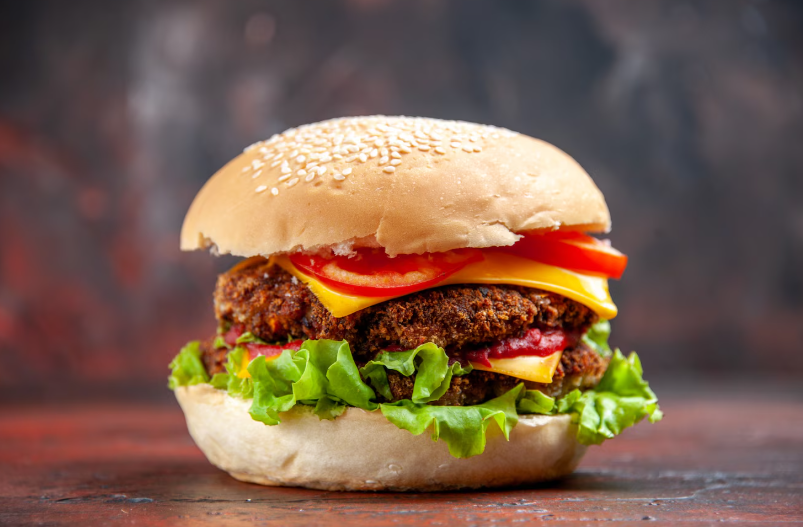
You can’t have a list of Singaporean street food without the infamous Ramly burger. It’s originally from Malaysia, but has a second home in Singapore, as it’s been embraced, refined, and devoured by everyone, from starving students to midnight marauders. A halal sandwich sold at pasar malams (street or night markets) it’s a sinful indulgence that you’ll take no regrets for.
So, what is a Ramly burger? It’s a patty (beef or chicken) that has salt and pepper of a special mixture, fried up in a thin omelet, slathered in sauces (mayo, Worcestershire, chili), and most of the time, wrapped in foil. It’s sloppy, rich, very filling, delicious, and completely satisfying.
Many stalls add their special touch: cheese, double patties, spicy versions of any kind. One bite, you’ll be hooked. Even though it probably won’t be the healthiest item you’re eating in Singapore, it may be one of the tastiest. And remember, sometimes food for the soul is more important than food for your diet.
Roti John
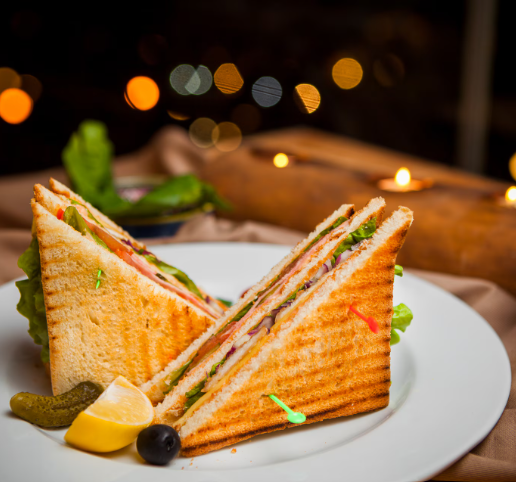
Roti John is Singapore’s answer to the Western sandwich—only it’s way better. This Halal street food gem consists of a baguette-style loaf filled with a mixture of minced meat, eggs, onions, and spices, pan-fried to crispy perfection, and topped with mayo, chili sauce, and cheese.
It’s the kind of street food that satisfies deep cravings. Whether it’s 3 p.m. or 3 a.m., a hot, cheesy roti john is always a good idea. Each bite delivers a satisfying crunch followed by a flavorful burst of savory meat, melted cheese, and tangy sauces. It’s popular at night markets and Ramadan bazaars, and many cafés have started adding gourmet versions to their menus.
The best part? It’s super affordable and extremely filling. One serving can easily be shared between two people—but let’s be honest, you’ll probably want the whole thing to yourself.
Goreng Pisang
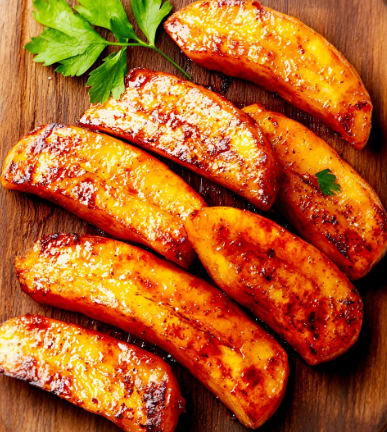
Sometimes, the simplest snacks are the best. Goreng pisang, or banana fritters, is one of those humble Halal street snacks that manages to be comforting, nostalgic, and irresistible. Ripe bananas are dipped in a light batter, deep-fried until golden brown, and served piping hot. The outside is crispy, the inside sweet and creamy—a match made in snacking heaven.
Available at many Halal-certified hawker stalls and street markets, goreng pisang is a crowd favorite for a reason. It’s often paired with afternoon tea or eaten as a light dessert after a spicy meal. And while it might sound basic, the perfect goreng pisang requires just the right banana—usually pisang raja or pisang kepok—for that balance of texture and taste.
These days, some creative vendors are giving this classic a twist with toppings like chocolate drizzle, cheese, or even ice cream. Whether you go traditional or modern, this snack hits the sweet spot every single time.
Locals’ Tips and Tricks
Want to eat like a local? Here are some insider tips:
- Follow food bloggers: Instagram accounts like @halalfoodhunt, @halalke, and @halalfoodie.sg often share the latest Halal finds.
- Talk to taxi or Grab drivers: They know where the best Halal late-night eats are, especially hidden gems not on delivery platforms.
- Explore neighborhoods: Kampong Glam, Joo Chiat, and Geylang Serai have high concentrations of Halal eateries.
- Use off-peak hours: Popular Halal spots tend to get crowded during prayer times or Iftar. Going earlier helps you avoid queues.
Locals also swear by specific markets and old-school favorites. Ask around and don’t be shy—Singaporeans love sharing their food recommendations.
Conclusion
From being an alternative food spot, Singapore is now seen as a halal food destination. What started as a niche is now more mainstream, and this is due to strong regulatory oversight, clever entrepreneurs, and most importantly, community trust. While there are still issues for the halal food industry to contend with, including cross-contamination and transparency issues, industry stakeholders are taking this head-on through the implementation of certifications, opening kitchens to the public, and educating the end consumer.
Looking ahead, halal food in Singapore is entering an exciting growth phase. From fusion dishes that weld wagyu with rendang, artisanal products sitting on bookstore shelves, to plastic-free satay stalls, and numerous other culinary creations, halal food here in Singapore is no longer merely permissible but progressive, ethical, and curated by chefs. There is a universal push towards sustainability and innovative dining spaces, and collectively, the future is colourful and delicious.


