


Creating an elegant dining experience does not end with serving good food but with several other factors. It is a creative presentation that involves everyone; and makes the guests feel unique, amused, and linked. Whether you’re preparing food for a restaurant or at home, or you’re someone who enjoys a good dinner invitee or host, knowing these small special details that can take a meal from good to great can be invaluable. In this article, we will consider all the factors that can influence the effect of what can be called culinary hospitality, or a memorable experience in a restaurant.
Understanding the Psychology of Dining
First, let us consider what concepts contribute to the impressions of dining, and this requires studying the psychology of dining. Eating has implications that are not only physical but also emotional and psychological for people. First, food can make people remember something, take them to another place, and even affect their feelings.
The concept of dining is not limited to what customers undergo as soon as they enter a restaurant or a dining area. undefined Some expectations are set by the promotion and advertisement of a meal, or by the reputation of the chef, the interior design of the restaurant, as well as the story behind the dishes.
When guests enter a restaurant, the environment becomes part of what they experience as guests. The aim is to make it so that from the first look to the last chew, every experience contributes to the feeling of contentment. This way restaurants can impact consumers emotionally and that memory will remain with the consumers long after consumption.
How to Create a Memorable Dining Experience
Establishing memorable dining experiences are not solely defined by the quality of food served. This is about the atmosphere, the service, and the care with which guests are treated. Now let’s discuss what makes a dining experience really extraordinary.
1. Ambiance: Setting the Stage

The ambiance of a dining environment is one of the most crucial elements that contribute to consumer satisfaction. This aspect of the event stretches from the fogging to illumination, furniture, games, and sound selection. Simple, the purpose of ambiance is to create the right mood or appeal to the diner’s emotions to correspond with the meal being served.
Lighting: Setting the Mood
Lighting is one of the most effective components that can affect the ambiance of a restaurant. Thus, while bright lighting may be perceived as expeditious and informal, low or subdued lighting is associated with considerations of privacy and leisure. Natural light is very effective in creating an atmosphere of free space and relaxation, artificial lighting can be used to illuminate certain areas in the space.
Here are the areas of consideration when using ambient lighting in dining areas: The kind of dining experience you want to create determines the kind of lighting to be used in the dining area. Luxury restaurants use low lighting, with either warm colors to give romance or intimacy, while cafes use bright lighting with natural light and creative chandeliers that give their cafes a trendy and relaxed image.
Décor: Creating a Theme or Story
Décor is another vital element that must be in harmony with the restaurant’s brand and menu. It can evoke cultural significance, reflect creativity, or even tell a story. A rustic setting might complement a farm-to-table menu, while sleek, modern décor would match well with avant-garde dishes.
Details matter. Everything from the furniture and table settings to the wall art and color schemes should be intentional and serve to enhance the overall experience.
Music: Enhancing the Atmosphere
While it is something that many diners do not pay much attention to, music plays a crucial role in forming the perception of the food that customers have. Background music may enhance the experience of dining at a finer restaurant or calm the mood at a casual hangover brunch. The volume should be carefully set—maxed out and people cannot speak; minimized, and the space may feel uncomfortable.
The type of music played in a dining area can also help enhance the created ambiance and control the duration customers spend in the premises.
Table Settings: The First Visual Impression
Table setting mainly involves placing items so that the guests can view them when they sit down. In a restaurant, the table setting prepares the guests for the experience that awaits them in matters of food. These include the type of tableware, the layout of utensils, and the presentation of napkins. Subtle decorations such as fresh flowers or elegant centerpieces are sure to make a positive impact. It is important to make the environment as appealing as possible to encourage the appetite and expectation of the food to be served.
2. Personalized Service: Making Guests Feel Special
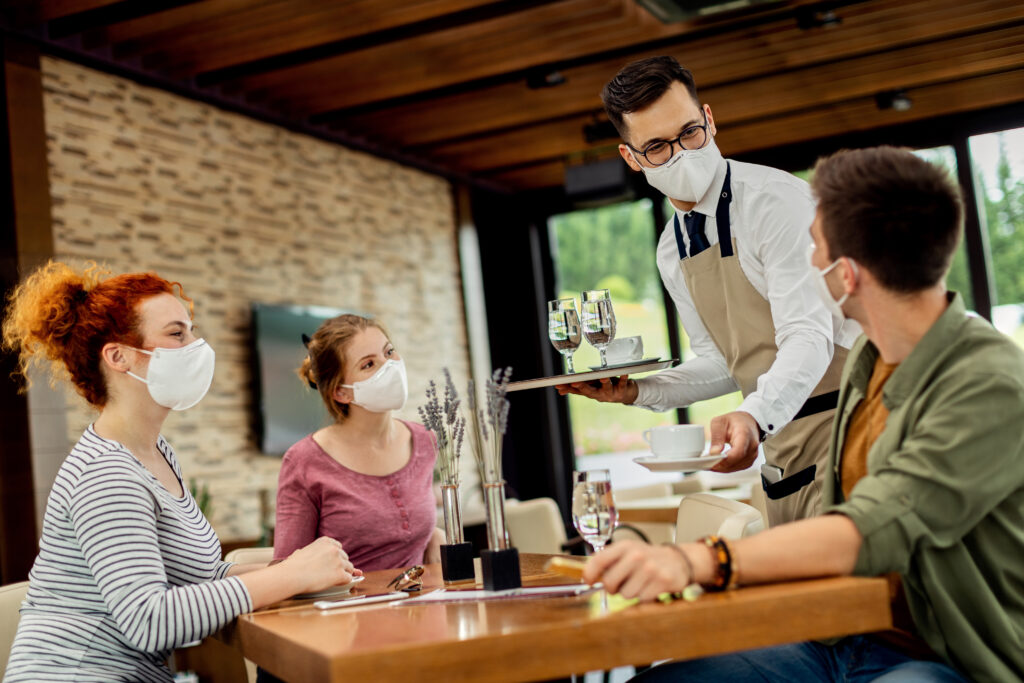
The way diners are treated by the staff can make or break their experience. The standards of service delivery are not just about expediting or performing tasks but being able to make the clients feel special. Though the food was tasty, poor service would never let the customers forget their visit.
Personalized Attention
One of the best service experiences is where people are given individual face time. Forgetting a guest’s name, ignoring important dates, or not paying attention to certain food allergies are all significant ways that mean something. It sums up the passion and desire to make the diners feel not only the satisfaction of the product but to be listened to.
Employee training should also encompass matters of courtesy to avoid coming across as overly aggressive when attending to clients. Hospitality means making the guests feel comfortable about themselves and about being at a restaurant.
Knowledge and Passion
A well-trained and passionate staff can enhance the dining experience by providing insight into the menu, making Another advantage of employing a highly trained and motivated staff is that they can raise the level of perceived quality through giving useful information and recommendations concerning the offered products, their composition or preparation, etc. When the staff can share the story behind a particular dish or suggest which wine goes better with the order, turns it into an exciting experience for the diner.
Pacing and Timing
Timing is of the essence in dining service. The pace at which the courses are presented should be well-coordinated; too fast, the guests feel they are hurried through; too slow, they become bored. Better restaurants manage to navigate this issue perfectly, adapting the pace with the diner, and learning whether to slow down or speed up.
Table service requires a server to closely observe the table and pay attention to empty drinks and cleared dishes. Good service is invisible yet available whenever needed.
3. Food Presentation: Engaging the Senses
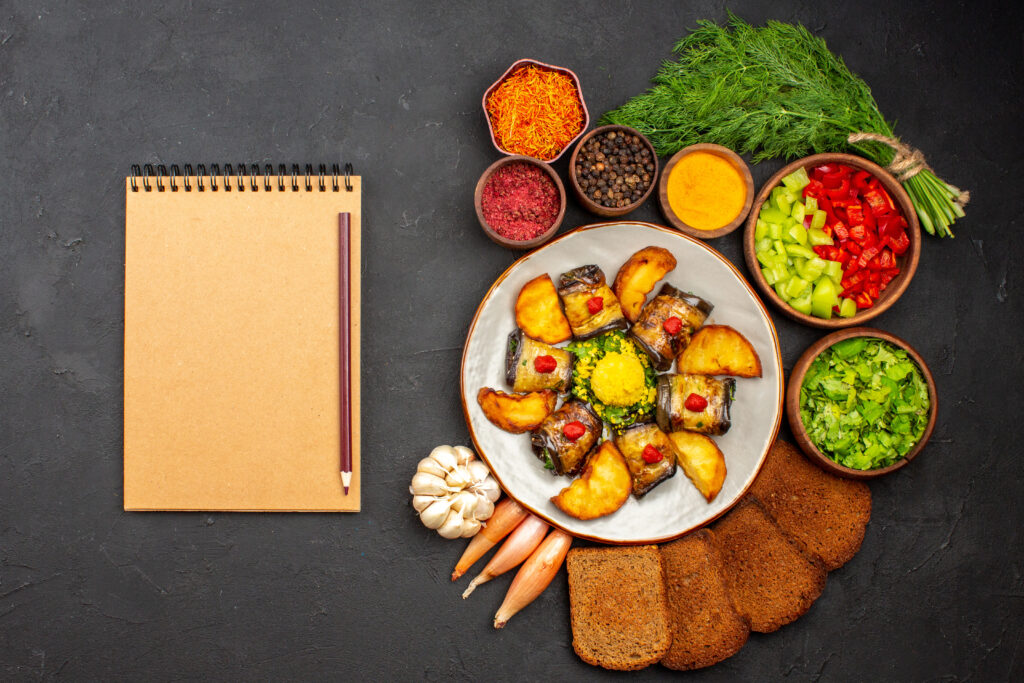
Taste is quite basic to every meal experience, but the aesthetic aspect of a particular dish can define its impression greatly. It is a well-known saying that people eat with their eyes, and therefore putting the food on the plate beautifully can make a huge difference as far as the memory of the dish is concerned.
Artistic Presentation
The visual presentation of a dish can transform food into a work of art. Chefs use various techniques, including color contrasts, height, and symmetry, to create visually stunning plates. A simple dish with thoughtful plating can evoke a sense of luxury or elegance, while a more playful presentation can suggest creativity and innovation.
For example, deconstructed dishes or interactive elements (like sauces poured tableside) add an element of surprise and entertainment. This not only delights the diner but also makes the experience more memorable.
Textural Balance
One of the aspects that are usually not paid attention to and which is very important is textural appeal. With these four textures adding softness, crunch, creaminess, and crispiness respectively, chefs manage a wider appeal to diners’ senses.
Placing the two distinct textures on the same plate enables the consumers to constantly interact with the dish in more than just a sensory way – through taste and feel.
Multisensory Dining
A few creative restaurants are including other senses in their products including haptic experiences. It could also include the smell, music, or even the feel of the item on the tongue. Dining becomes so much more special when all the senses are engaged to make a particular kind of impact on the guest.
4. Creating a Story Through the Meal
Food lovers have often said, every dish has a history. When it comes to food, the story behind it can further enhance the value and experience of having it especially if it is a family heirloom or came from a more recent concept like food blogging and traveling. Sharing these stories with diners creates a deeper connection and gives them something to remember.
Designing a Menu with a Narrative
Every dish should fit into the narrative, the previously mentioned story of the meal. Try to picture the path from appetizers to desserts – how everything is connected, what one course leads to. A menu that will create a journey can make the guests anticipate what is next and they will be more involved.
The Importance of Storytelling in Food Presentation
Storytelling is also applicable in serving the food and can be incorporated into how the food looks like. For instance, telling the story of how a certain dish was prepared, the story behind the dish, and the story of the ingredients can make a huge difference. It goes beyond what they eat but the kind of message it conveys to their systems.
Highlighting Local and Seasonal Ingredients
Flexing locally sourced and seasonal produce not only benefits growers and farmers but also enhances originality and cultural food choices. People also like to know where they are buying their food from and it is also enjoyable to make conversation with them. It also lets you display only the best seasonal offerings, which is better for the taste and quality of food.
Additional efforts can be taken; such as the restaurant recalling a guest’s preferred meal or beverage on their subsequent visit, or a brief thank-you note. Such attention leaves guests informed and satisfied devouring a simple meal into a memorable event.
5. Innovation and Surprise
Innovation is a key weapon when it comes to the establishment of an impressive and unique dining experience. Food establishments that always challenge the limits of edible art can create impressive experiences for customers. It can be done by adding a twist to how food is prepared, in which flavors accompany other flavors or even in the overall concept of the restaurant.
Unique Dining Concepts
The concept can be further developed by offering innovations like pop-up restaurants, interactive chef’s tables, or a themed dinner. These experiences go beyond the regular restaurant ambiance thus forming an avenue through which the diners can be different ways of entertaining their curiosity.
For instance, certain restaurants offer operatic performances where the guest gets to talk with the chef and see the food being prepared while the story behind the meal is narrated. Some might use technology like projection mapping to augment the visual experience of a particular meal.
Surprising Elements
Creating an element of surprise is a great way to make a lasting impression on the diners. Of course, it is critical to recall that surprise elements can add certain highly memorable moments – whether it would be an amuse-bouche, a surprise dessert or even a pun in a dish – that are actually shareable moments in the life of a diner.
6. Crafting a Unique Beverage Experience
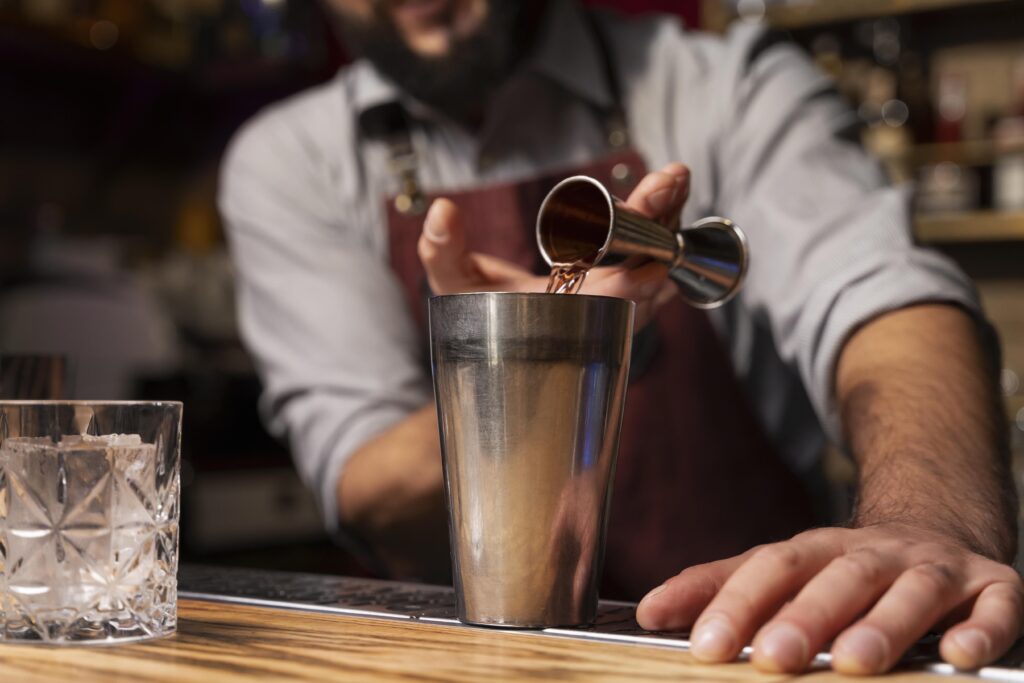
Drinks are an essential part of the dining experience, and crafting a unique beverage menu can add an extra layer of enjoyment.
Pairing Drinks with Food: Enhancing Flavors
Drinks can complement the flavors of a dish when matched tastefully to each course. There is always a right match whether it is wine or beverages, alcoholic or nonalcoholic will always complement the current meal. Having recommendations or just the presence of a wine-focused server can enhance this part of the meal even further.
Signature Cocktails or Mocktails: Adding a Personal Touch
Developing a special drink that accompanies this meal can be another exciting and unique factor that is worth trying. But it becomes a way to demonstrate its creativity and provide something that the guests can only get from you.
The Role of Presentation in Drinks
Similarly to food, the appearance of drinks also matters. This aspect concerns the presentation of the beverage and includes ingredients such as glass type, garnishes, and how the beverage is presented. A drink should always be well presented because it helps in creating an impression on the guests right from the initial moment.
7. The Power of Social Media

Social media is an essential component of the dining experience more so in the current world where the internet is a central commodity. Consumers can disseminate their dining experiences to the world at the touch of buttons, and restaurants can leverage this ability to leave the right images and foster loyalty.
Instagram-Worthy Moments
Visual platforms like Facebook, Instagram, and TikTok have turned food into a form of social currency. People love sharing visually appealing dishes, beautiful interiors, and unique dining experiences with their followers. Restaurants that create “Instagram-worthy” moments increase their chances of being shared on social media, effectively turning diners into brand ambassadors.
Simple touches like elegant plating, photogenic décor, or interactive elements (like flaming dishes or DIY plating) can encourage diners to capture and share their experience. These moments help generate buzz and attract new customers who want to experience it for themselves.
User-Generated Content
User-generated content is another interesting and highly effective marketing strategy. Whenever customers share their experiences through the internet, they give genuine recommendations that other potential consumers are willing to consider more than they would consider a commercial. Asking guests to tag the restaurant or use specified hashtags benefits restaurants as they gather user-posted content that can be reposted and shared.
Restaurants can encourage patrons to create content by hosting social media contests, providing prizes for the most appealing photographs, or reposting diners on their official profiles. This does not only enhance the interaction between diners but it also fosters a community of consumers.
Online Reviews and Influencers
Popular social networks are not only about amazing photos; they also serve as a source of information and trends. Yelp, Google, or Facebook reviews may influence customers and create a positive concept of a restaurant. Considering the reactions to the reviews and interacting with the followers also assure the customers that the restaurant cares about their opinions.
Working with influencers or engaging food bloggers can also extend the online reach of the restaurant’s establishments. Using Instagram, influencers who have their people follow them can help introduce the restaurant to more people, especially by posting genuine feedback and content.
Storytelling Through Social Media
Social media can also be used by restaurants to share the story on the menu, the chef, or even the produce used to prepare the meals. Posting videos that are usually unseen, interviews with the chefs, or information about the standpoint of the restaurant benefits in building a connection with the fans. Social media also helps humanize the brand so that it can easily be associated with and remembered.
For example, a restaurant can tell its consumers the story of a particular ingredient sourced within the region to foster sustainable production. Such material not only encourages participation but also reminds the audience of the organization’s values and goals as a restaurant.
8. Engaging the Senses: A Multisensory Experience
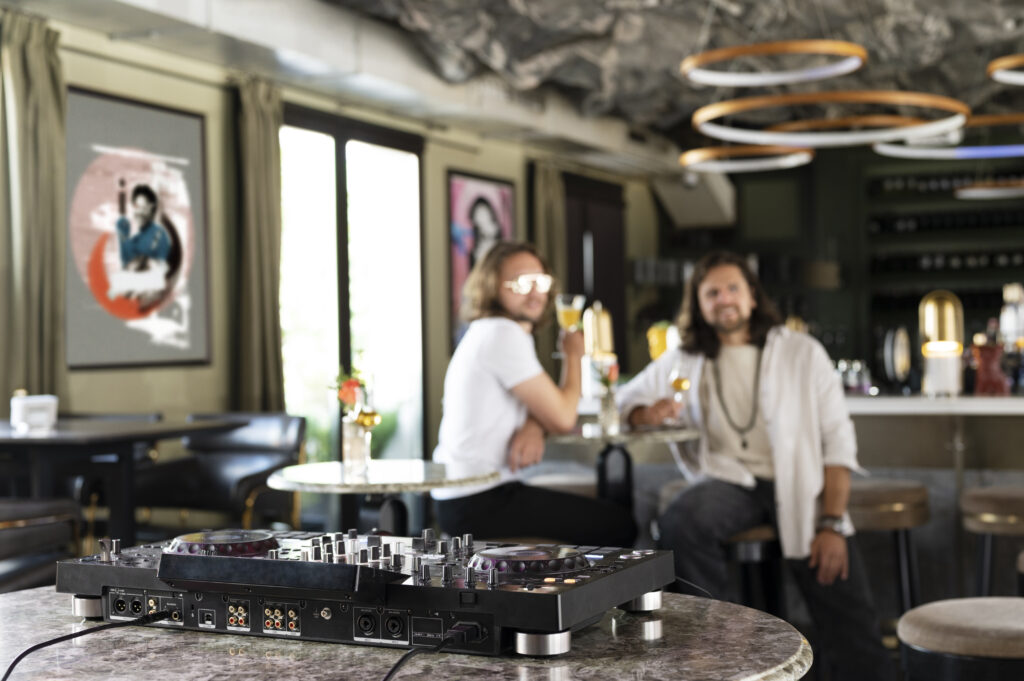
Dining experience cannot simply be associated with taste only but it has to do with the overall sensory impression. When even vision, hearing, and olfaction coupled with gustation are provided strategically the overall experience is much enhanced.
Visual Appeal: Plating and Presentation
We eat with our eyes first. Beautifully plated dishes can create excitement and anticipation before the first bite. The thoughtful presentation shows care and artistry, turning a meal into a visual feast. Consider using color, texture, and symmetry in your plating to enhance visual appeal.
The Role of Aroma in Anticipation
The smell of food can evoke curiosity and thus build expectations. This could be the smell of food being prepared in the kitchen or the scent of herbs and spices associated with the food being served. Aromas are another level of experience in dining; you should be keen on the smell of your foods when you are serving.
Texture and Mouthfeel: Beyond Taste
Texture adds another layer of complexity to a dish. The contrast between crunchy, creamy, or tender elements can make each bite more interesting and enjoyable. Considering texture in your dishes ensures a more dynamic eating experience that engages guests beyond just taste.
Soundscapes: How Sound Influences Dining
Elements such as sound in the restaurant including the noise made when glasses collide, and voices made as people converse add to the whole experience. Many restaurants also actively manage the soundscape for dining experiences, adjusting the loudness of the music or adding natural sounds like rain, waves, etc. I mean soundscapes can relax the pace of a meal and change how you feel while eating and such.
Tactile Elements: The Feel of the Environment
Ambient factors for instance the texture of the table, the density of the cutlery, or the feel of the seats are the tactile interaction factors. Hardwearing, luxurious fabrics that are pleasant to the touch add another layer to the luxury dining experience.
9. Post-Dining Experience: Leaving a Lasting Impression

Even when one is done with the meal, the dining experience is not over. The way you treat your guests even after they are gone speaks volumes.
The Importance of Follow-Up: Thank You Notes, Surveys
Following up with a thank you note, a quick survey, or even a personalized email can show guests that you value their feedback and experience. It’s a way to extend the hospitality beyond the dining room and encourage them to return.
Encouraging Social Media Sharing and Online Reviews
Asking your guests to post about their dining experience on any available social media platform could also inspire others to try the dining experience. Trying to give them a reason why they should talk with friends and associates about the positive experience they have received in your restaurant, such as a discount on the next meal.
Offering Loyalty Programs or Incentives for Return Visits
Introducing customers to reward schemes or bonus points can be used to encourage them for subsequent visits to the hotel. These programs demonstrate that the business is grateful for their custom and is a good incentive to revisit.
10. Learning from Feedback: Continuous Improvement
Innovative feedback is very crucial in a continuously evolving environment. Living with changes and responding to feedback from your guests, you can make the dining experience more perfect.
Gathering and Analyzing Guest Feedback
Gaining and analyzing guest feedback consistently can give the management insight into what is effective and what is not. This can be conducted through interviews, online consumer responses, or talking to friends and relatives.
Implementing Changes Based on Feedback
Implementing feedback indicates to the guests that you consider their opinions and would like to offer them the best services. The fact is that even such aspects as menu, service, or ambiance should be changed constantly; there should be a principle of continuous improvement in this matter.
The Role of Staff Training in Maintaining High Standards
Maintaining high standards of hospitality and service delivery requires personnel training, which is crucial. The consistent training of employees allows all workers to share the same goals of providing customers with a good dining experience and ensures that the goals can be met.
Conclusion
Crafting a truly memorable dining experience involves much more than the food alone. It’s about creating a cohesive atmosphere that includes ambiance, exceptional service, compelling storytelling, and engaging social media presence. Every element plays a crucial role in shaping a diner’s perception and forging an emotional connection with their meal. By focusing on these details and ensuring a holistic experience that engages all the senses, restaurants and hosts can deliver unforgettable moments that diners will remember long after they leave.
For expert guidance on elevating your dining experience and boosting your restaurant’s visibility, contact Adtocart and F&B Marketing Singapore today!


